
Dementia and Alzheimer's are often used interchangeably, but they are not the same condition. Dementia is a broad term that describes a decline in memory and thinking, while Alzheimer's is a specific disease and the most common cause of dementia.
The NIH estimates that 42% of Americans over age 55 will eventually develop dementia, making brain health education an important part of aging well. Understanding what's the difference between dementia and Alzheimer's helps families recognize symptoms earlier and plan appropriate care.
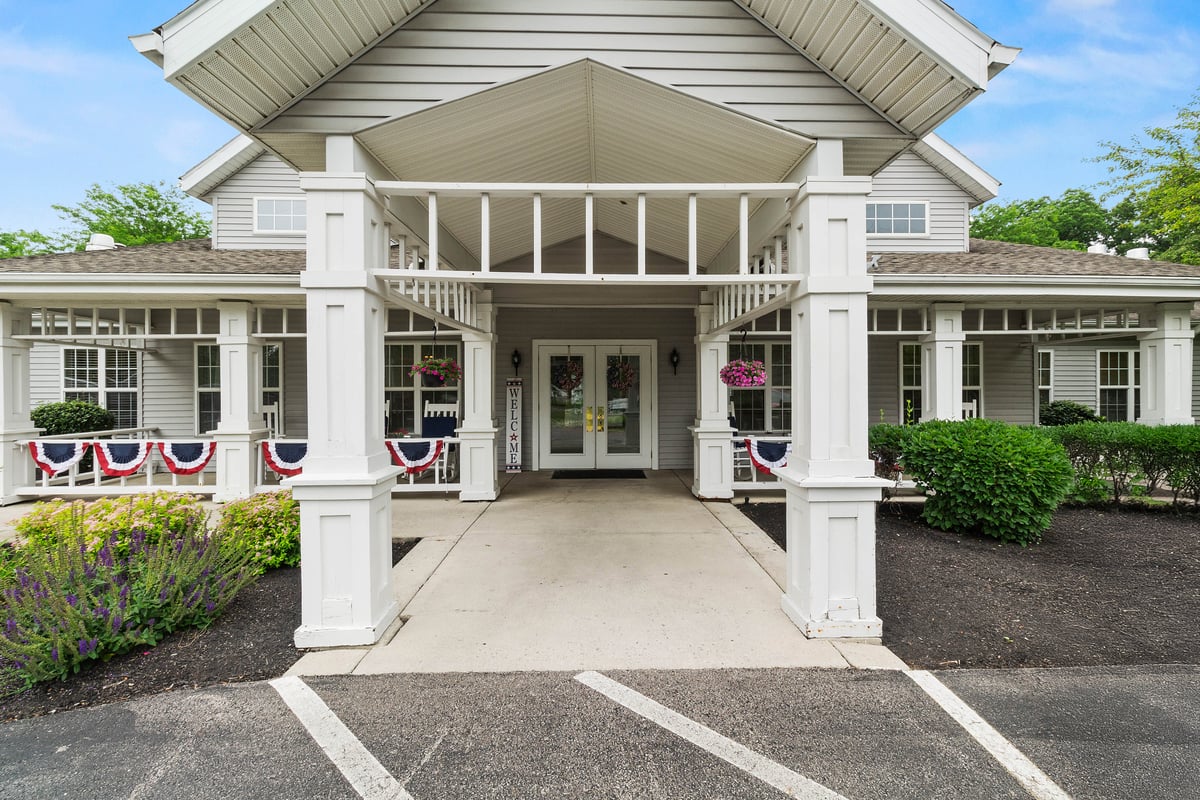
DeWolfe Place supports individuals living with memory conditions in aging at our assisted living community in Marion, Ohio, just 45 miles from Columbus. In this blog, we'll break down how these conditions differ, how symptoms are identified, and what families should know when exploring care options.
What Is Dementia?
Dementia is an umbrella term used to describe a group of symptoms that affect memory, thinking, and the ability to manage daily tasks. It is not a single disease but a condition caused by damage to brain cells that interferes with communication between them. Symptoms often include:
- Memory loss
- Confusion
- Difficulty with language
- Changes in behavior
The way dementia appears can vary widely from person to person. Some individuals experience gradual memory decline, while others may notice challenges with judgment or problem-solving first.Progression depends on the underlying cause and overall health.
Common types of dementia include vascular dementia, Lewy body dementia, and frontotemporal dementia. Each type affects the brain differently and may require different care approaches.
At DeWolfe Place, our assisted living community in Marion, Ohio, we support residents by adapting care plans as symptoms change. Understanding dementia helps families prepare for evolving needs and make informed decisions.
What Is Alzheimer's Disease?
Alzheimer's disease, meanwhile, is a specific, progressive brain disorder and the most common cause of dementia. It develops when abnormal protein buildup damages brain cells, leading to memory loss and cognitive decline that worsen over time.
Early symptoms often involve forgetting recent conversations or misplacing items. As the disease progresses, individuals may struggle with language, orientation, and familiar routines. Later stages often require increased daily support.
Unlike some other forms of dementia, Alzheimer's follows a more predictable progression. Early diagnosis allows families to plan for future care needs and focus on quality of life.
DeWolfe Place provides individualized assisted living support for residents experiencing cognitive changes. Our team works closely with families to adjust care as Alzheimer's symptoms progress and needs increase.
Can Someone Have Dementia But Not Alzheimer's?
Yes, many people have dementia without having Alzheimer's disease. Dementia can result from strokes, Parkinson's disease, traumatic brain injury, or other neurological conditions that affect brain function.
The symptoms may look similar, but the cause and progression can be different. Vascular dementia, for example, may progress in noticeable steps rather than gradually. Lewy body dementia often includes movement challenges and visual hallucinations.
Identifying the type of dementia helps guide treatment, care planning, and expectations. Medical evaluations play a key role in determining the cause and best approach to support.
Our care plans are based on each resident's diagnosis and daily needs. This personalized approach helps residents maintain comfort, dignity, and stability.
How To Tell If Someone Has Dementia Or Alzheimer's?
Only a qualified medical professional can diagnose dementia or Alzheimer's disease. Diagnosis typically involves:
- Cognitive testing
- Medical history reviews
- Physical exams
- Brain imaging
Families often notice early changes first. These may include repeated questions, confusion about time or place, difficulty following conversations, or changes in mood and personality.
Tracking patterns over time is important. Occasional forgetfulness differs from consistent memory loss that interferes with daily life. Early evaluation can provide clarity and peace of mind.
At DeWolfe Place, staff members help observe changes in residents' daily routines and communicate concerns with families. This added support can be valuable when navigating next steps and care decisions.
Frequently Asked Questions
What Are The Early Warning Signs Families Often Miss?
Subtle changes often appear before memory loss becomes obvious. Trouble following conversations, repeating the same stories, or struggling with familiar tasks can be early signs of dementia.
Shifts in mood, withdrawal from social situations, or difficulty making decisions may also signal a concern. Families sometimes dismiss these changes as normal aging, which can delay evaluation and support.
How Is Alzheimer's Different From Normal Age-Related Forgetfulness?
Normal aging may include occasionally forgetting names or appointments and then remembering them later. Alzheimer's involves consistent memory loss that interferes with daily life, along with confusion and difficulty learning new information.
Understanding Alzheimer's helps families recognize when changes go beyond typical aging and require medical attention.
Can Dementia Symptoms Look Different From Person To Person?
Yes, symptoms vary depending on the cause and the areas of the brain affected. Some individuals experience language difficulties first, while others struggle with planning or spatial awareness. These differences highlight the importance of personalized observation and care planning.
When Should A Doctor Be Consulted About Memory Concerns?
A medical evaluation is recommended when memory or behavior changes begin affecting daily routines, safety, or communication. Early assessment allows families to explore treatment options and plan appropriate care.
How Can Assisted Living Support Cognitive Changes?
Assisted living communities provide structure, routine, and daily engagement that support cognitive changes in seniors. Trained staff monitor day-to-day patterns and adjust care as needs evolve.
How Can Families Prepare After A Diagnosis?
Education, open communication, and planning for future care needs help families feel more confident. Connecting with supportive resources and care professionals can reduce stress and improve quality of life for everyone involved.
Understanding What's the Difference Between Dementia and Alzheimer's
In summary, understanding what's the difference between dementia and Alzheimer's helps families make informed decisions about care, timing, and support. At DeWolfe Place, we focus on individualized assisted living with personalized care plans and 24-hour clinical oversight, ensuring residents receive the attention they need as cognitive changes progress.
Our team coordinates closely with medical providers and offers engaging daily activities that support both mind and body. Located in Marion, Ohio, our community provides a supportive setting for residents and peace of mind for families.
Schedule a tour of DeWolfe Place Assisted Living to see how our thoughtful approach to care can make a meaningful difference.