
Summary
Knowing stroke signs in older adults and acting quickly can significantly improve recovery outcomes. This guide covers what happens during a stroke, how to recognize warning signs, and essential steps to take in an emergency.
- BE FAST identifies key stroke symptoms: balance loss, eye changes, face drooping, arm weakness, speech difficulty, and timing (call 911 immediately).
- Women and older adults may experience atypical symptoms like nausea, weakness, chest pain, or shortness of breath that delay recognition.
- During a stroke, call 911 immediately, note symptom onset time, keep the person calm and lying down, and avoid food or drinks.
- Manage high blood pressure, diabetes, cholesterol, and heart disease; regular movement and a balanced diet help prevent strokes.
- Recovery typically involves physical, occupational, and speech therapy, with community support playing an important role in healing.
A stroke happens when blood flow to part of the brain is interrupted and brain cells begin to die from lack of oxygen. Knowing the stroke signs in older adults, and acting on them quickly, can make a real difference in recovery. Minutes count, so it helps to know what to look for before you ever need it.
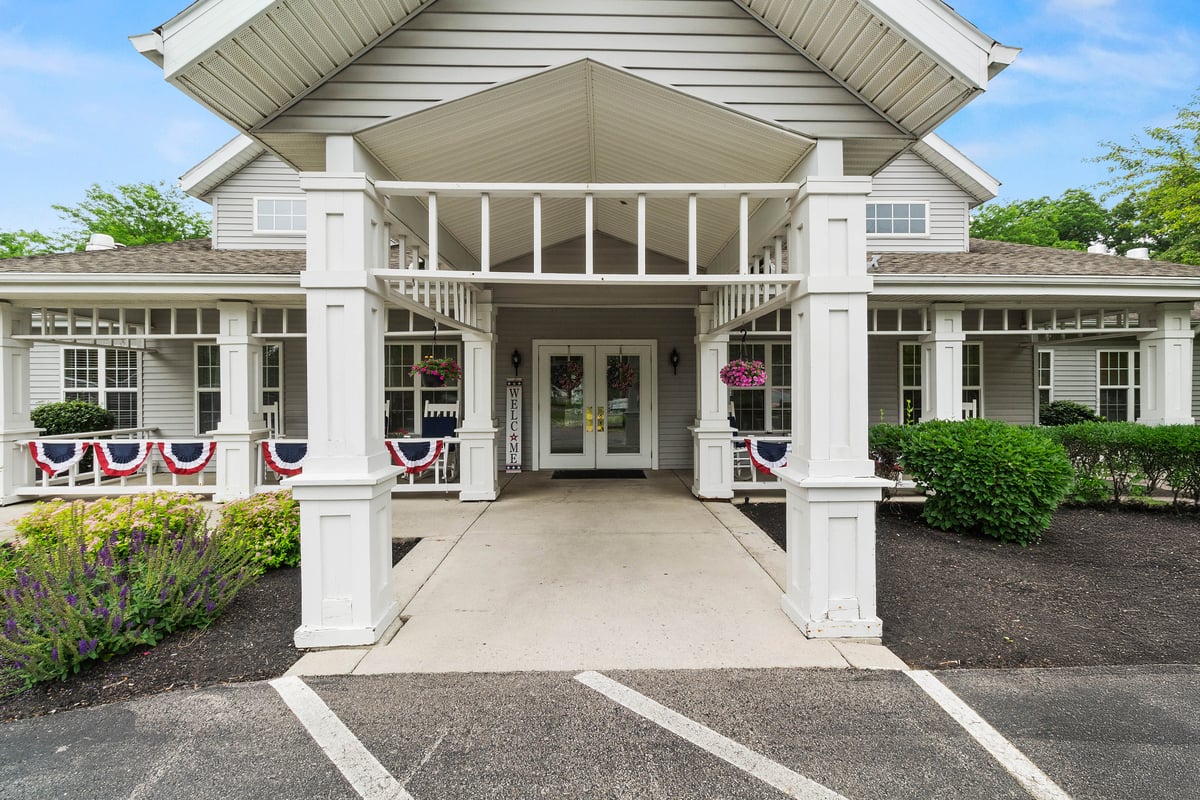
Families with loved ones at DeWolfe Place in Marion, OH, have the comfort of knowing staff are close by around the clock. Still, anyone who spends time with an older adult can help, and that starts with recognizing stroke symptoms in seniors.
What Happens Inside the Brain
During a stroke, a blood vessel in the brain either becomes blocked or ruptures, cutting off oxygen to brain tissue. Brain cells begin dying within minutes, which is why doctors often say “time is brain.” The longer blood flow stays interrupted, the more damage can result.
There are two main types. Ischemic strokes make up about 87% of cases and happen when a clot or fatty deposit blocks an artery leading to the brain. Hemorrhagic strokes happen when a vessel ruptures and causes bleeding in or around the brain. Both need emergency medical attention right away, though treatments differ. That is why catching stroke warning signs in aging adults early matters: the faster someone is treated, the more brain tissue may be saved.
Recognizing Stroke Symptoms in Seniors
The BE FAST stroke signs are the easiest place to start:
- B: Balance, such as sudden dizziness or a loss of balance or coordination
- E: Eyes, such as sudden blurred or double vision, or vision loss in one or both eyes
- F: Face drooping, often on one side, which may show when the person smiles
- A: Arm weakness or numbness, where one arm drifts downward when both are raised
- S: Speech difficulty, such as slurred words or trouble speaking
- T: Timing is important, so call 911 right away
Beyond BE FAST, watch for sudden confusion, difficulty walking, or a severe headache with no known cause. Women and older adults sometimes have other symptoms too, like sudden nausea, general weakness, chest pain, or shortness of breath. These can delay recognition and treatment, so they are worth knowing about.
What to Do During a Stroke
If you suspect a stroke, call 911 immediately and do not drive the person to the hospital yourself. Emergency crews can begin treatment on the way and alert the hospital. Note when symptoms first appeared, since that helps doctors decide which treatments are safe.
While you wait for help:
- Keep the person calm and comfortable
- Have them lie down with their head slightly elevated
- Do not give food, drinks, or medication, because a stroke can affect swallowing
- If they lose consciousness, check their breathing and begin CPR if you are trained
Knowing these steps lets you act with confidence in the moments that matter most.
Recovery Support at DeWolfe Place
Recovery often involves physical, occupational, and speech therapy to rebuild strength, relearn daily tasks, and work through communication challenges. Our Assisted Living community in Marion, OH, can coordinate in-house services when needs change, and staff who see residents every day are well placed to notice when something seems different.
Connection matters too. Time with neighbors can help ease the isolation and low mood that sometimes follow a stroke. In a small community where staff and neighbors know a resident’s routines, families gain added peace of mind.
Stroke Prevention for Seniors
Stroke prevention for seniors starts with managing the conditions that damage blood vessels. High blood pressure is the most important risk factor a person can control, and diabetes, high cholesterol, and heart disease also raise the risk. Working with a healthcare provider on these conditions helps lower it.
Everyday habits count, too. Regular movement strengthens the heart and blood vessels, and a balanced diet with plenty of fruits, vegetables, and whole grains supports healthy circulation. Less sodium helps keep blood pressure in check, and avoiding smoking and heavy drinking lowers risk further.
At DeWolfe Place, residents enjoy chef-prepared meals daily, and our BALANCED℠ program pairs dining with cooking demos and group fitness, which makes healthy routines easier to keep.
Peace of Mind for Your Family
A stroke can happen without warning, but knowing the signs and the steps to take puts you in a better position to help. Families at DeWolfe Place find reassurance in a close-knit community with support available around the clock. To see how welcoming it feels in person, we invite you to schedule a tour today.