Do you often find yourself lying awake at night, struggling to fall asleep or stay asleep? You're not alone. According to the NIH, insomnia is the most common sleep problem for seniors. And it's often due to factors like anxiety, health conditions, or changes in daily routines.
One effective approach gaining attention is mindfulness meditation, which promotes relaxation and mental clarity.
Today, we're taking a closer look at how mindfulness meditation for sleep and anxiety can serve as a valuable tool for senior mental wellness. We'll explore its benefits and practical techniques for seniors in Marion, OH, a historic city in north-central Ohio, known for its connection to President Warren G. Harding and its annual Popcorn Festival.
The Growing Need for Senior Mental Wellness
As people age, they often face new challenges that can affect their emotional and mental well-being. There are three main reasons mental wellness needs more attention in older adults:
- Health issues can lead to stress and poor sleep
- Emotional struggles like isolation or grief may increase anxiety
- Regular routines often change in retirement, disrupting sleep patterns
Health Issues Can Lead to Stress and Poor Sleep
As the body ages, medical concerns tend to grow. Chronic pain, memory changes, and medications can keep the body and mind on edge.
When the brain is under stress, it's harder to calm down at bedtime. That can lead to tossing and turning or waking up throughout the night.
Emotional Struggles, Like Isolation or Grief May Increase Anxiety
Many older adults have lost a spouse or live far from family. This can cause sadness or worry to build up.
Without a way to manage these feelings, anxiety may rise. That can lead to racing thoughts and tension, making restful sleep harder to reach.
Regular Routines Often Change in Retirement, Disrupting Sleep Patterns
Work schedules and active daytime habits once helped guide the body's natural clock. But in retirement, routines often fade.
Without structure, some seniors nap during the day or go to bed at different times each night. This lack of rhythm can affect the brain's ability to wind down and rest.
What Is Mindfulness Meditation?
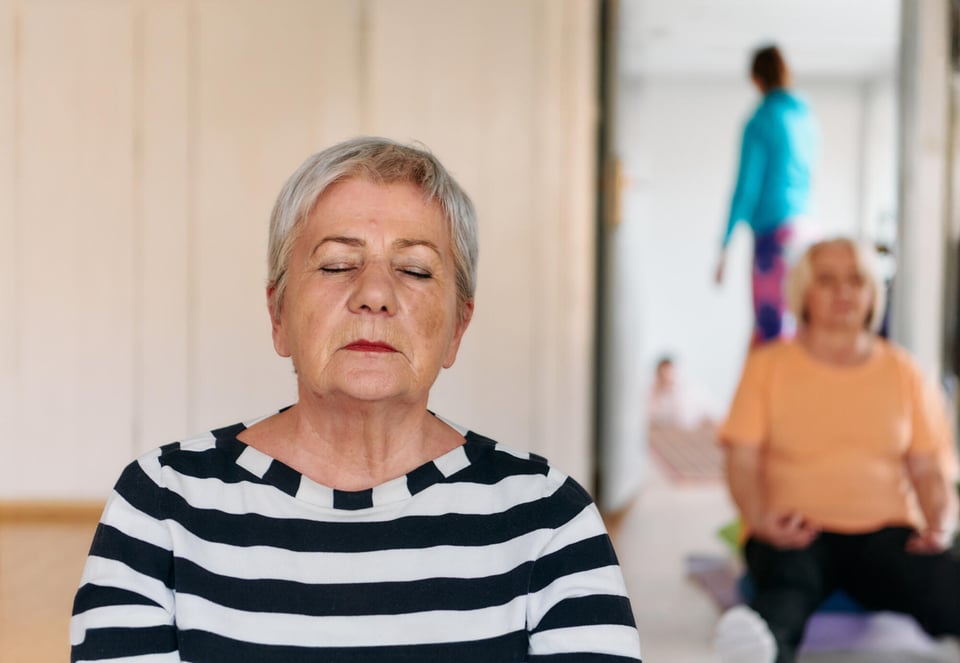
Mindfulness meditation is a simple practice that helps people become more aware of the present moment. It often involves paying close attention to breathing, body sensations, or sounds around you.
For seniors, this can be a gentle and calming way to slow down racing thoughts and ease stress. It does not require physical effort, so it works well for many older adults who may have limited mobility or energy.
There are three main parts that help explain how mindfulness meditation works:
- Focused breathing helps calm the body and reduce tension
- Awareness of the present moment quiets the mind
- Letting go of judgment supports emotional peace
Focused Breathing Helps Calm the Body and Reduce Tension
Breathing is at the center of most mindfulness meditation sessions. Paying attention to each inhale and exhale helps shift focus away from stress. This can lower heart rate, release tight muscles, and give the body a break from anxiety.
Awareness of the Present Moment Quiets the Mind
Mindfulness teaches people to observe their thoughts without holding onto them. For seniors who may worry about health or the past, this practice can be freeing. Staying in the moment makes it easier to let go of regret or fear and simply rest in the now.
Letting Go of Judgment Supports Emotional Peace
Many older adults carry guilt, worry, or frustration. Mindfulness encourages a kind and open mindset.
Instead of fighting thoughts or feelings, people learn to notice them and move on. This can bring more peace and reduce the weight of negative thinking.
Benefits of Mindfulness Meditation for Sleep and Anxiety
For many seniors, worries about health, family, or the future can grow over time. These thoughts may feel louder in the quiet hours of the evening.
Mindfulness meditation offers a way to notice these thoughts without holding on to them. With practice, seniors may find their minds becoming quieter and less reactive, even during the day.
When the mind is busy, the body often stays tense. This makes it harder to relax and fall asleep. Meditation can slow the breath, lower blood pressure, and shift the body into rest mode.
That makes it easier to fall asleep and stay asleep. Mindfulness also teaches people how to handle waking up in the night without panic or frustration.
Guided Meditation and Relaxation Tools for Seniors
Mindfulness can feel easier to start when there's a guide to follow. There are three helpful ways guided meditation and relaxation tools support seniors:
- Guided meditation provides structure and support
- Audio tools and calming music help set the mood
- Digital resources are easy to use and widely available
Guided Meditation Provides Structure and Support
Some seniors may feel unsure about how to start meditation on their own. Guided sessions offer step-by-step help.
A gentle voice can lead someone through breathing, body awareness, or quiet reflection. This helps remove pressure and lets the person focus on feeling calm.
Audio Tools and Calming Music Help Set the Mood
Peaceful background music or nature sounds can make it easier to settle down. Some tools use soft tones or low rhythms to help signal rest.
These sounds can relax both the mind and the body. When paired with meditation, they create a full experience that supports stillness and sleep.
Digital Resources Are Easy to Use and Widely Available
Many apps and websites offer free or low-cost options for guided meditation. Some even have settings made for seniors, like larger text or slower speech. Whether using a tablet or a smart speaker, these tools give seniors more ways to relax at any time of day.
Stress Relief for Elderly: Sleep Support in Aging
Mindfulness meditation for sleep and anxiety can help seniors feel calmer, sleep more deeply, and manage daily stress.
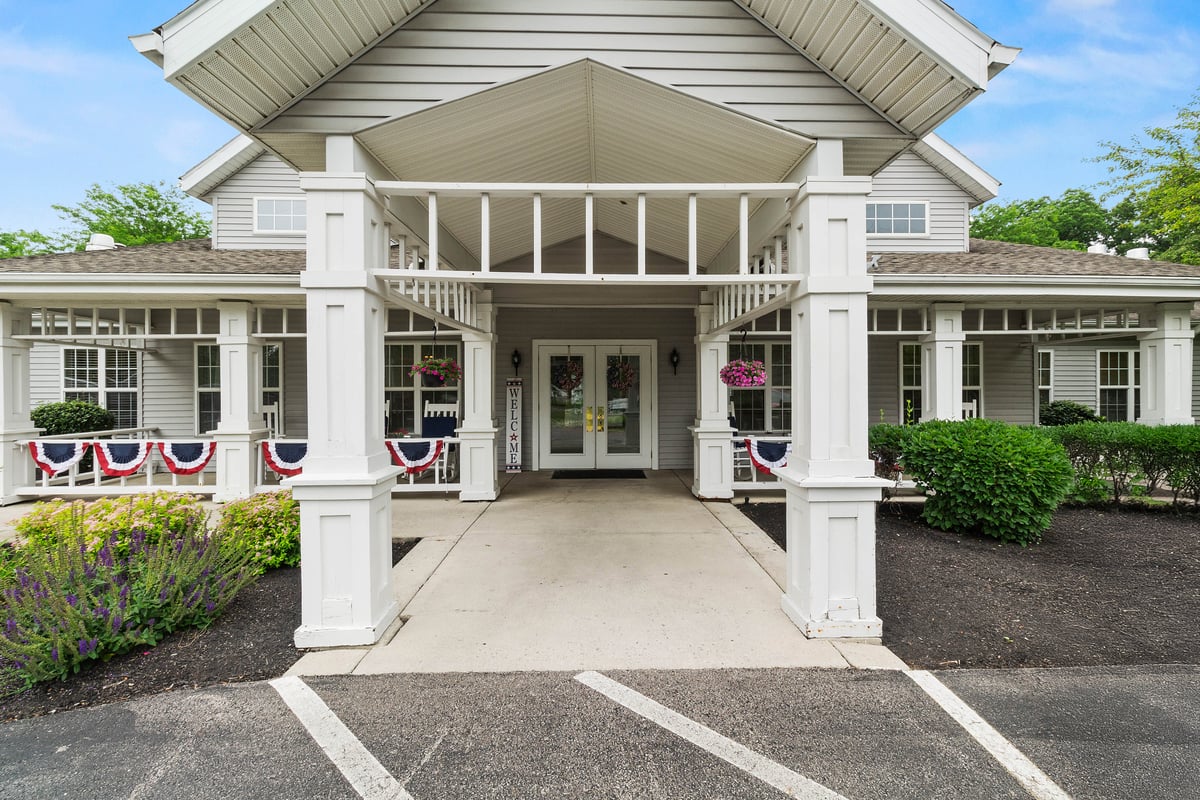
At DeWolfe Place Assisted Living in Marion, we create personalized care plans that support each resident's unique needs. Our assisted living community offers activities that keep the mind and body active, from games and crafts to movie nights and outings. Residents enjoy our garden courtyard, social events, and trips around town.
Get in touch today to find out how we can help with your loved one's retirement years.