What are you doing to keep your mental health strong as you age? According to a study from the World Health Organization, about 14% of senior adults battle a mental disorder. These disorders include neurological conditions like dementia and Alzheimer's, as well as mental conditions like depression and anxiety.
Marion has a long history of focusing on the betterment of our people, from our commitment to education to our history as a stop on the Underground Railroad. Whether you're here for the rich history or the exceptional sights and sounds, we're happy to have you!
How does stigma affect mental health, and how can we fight that stigma? If you're interested in aging and stigma, we're here to help. Read on for a brief overview of emotional care for seniors and mental health awareness.
What is the Stigma Against Mental Health?
Before we start, what is stigma, and how does it affect our seniors? Stigma is a negative idea of something, similar to a prejudice, and is often caused by ignorance. The mental health stigma is the belief that mental health shouldn't be discussed or isn't worth worrying about.
For the most part, this stigma is a generational divide. Younger generations tend to focus on mental health. That's because younger generations worked to undo this stigma and wish to highlight its importance.
Contrasting this, older generations don't often focus on mental health at all. Some even believe that mental health issues don't exist, and are often something that should be buried.
This has led to it being much less common for seniors to reach out about mental health. A study published by Health In Aging states that seniors are more likely to avoid speaking out about mental health. Behavioral health in aging seniors may feel "taboo," but we must grow comfortable reaching out.
Aging and Stigma
While we know that it's mostly generation-based, what causes this? What makes seniors believe mental health isn't worth addressing?
A driving reason is that they tend to see it as something to be ashamed of. According to a study in Mental Health in Family Medicine, older generations often viewed mental health as a sign of weakness in the individual. This causes them to see it as a weakness to reach out.
Many seniors also fear that mental health issues can lead to difficulties with their independence. Some fear that stating they're battling mental health issues might cause loved ones to restrict their freedoms.
In many cases, exploring emotional care for seniors can get rid of this ignorance. We're happy to offer a relaxing and safe assisted living support system that can help manage your mental health.
Dealing With Mental Health Conditions
Another leading problem is that people don't consider the link between neurological conditions and mental health wellness. Many seniors believe that conditions like dementia are a natural, normal part of growing old.
These opinions often come from an ageist belief. Aging and mental health should not be discarded as something we all go through. Instead, we should raise awareness on the issues and how we can help.
How Does Stigma Affect Mental Health?
How does stigma affect mental health? Is the problem worth addressing, or is it much ado about nothing?
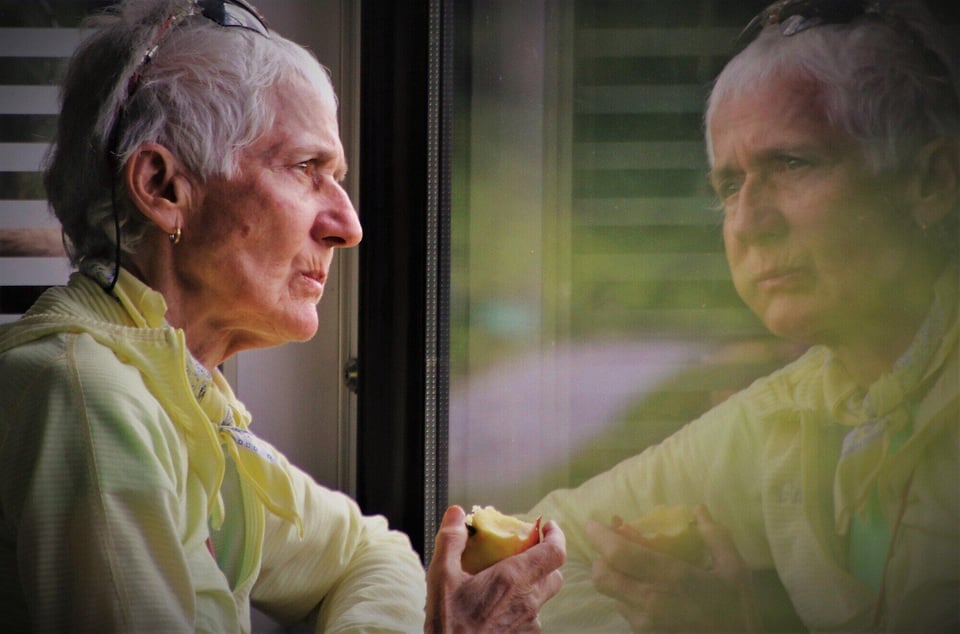
It's a reality that stigma has a massive negative impact on our senior citizens. The main issue is that stigma makes it so that seniors refuse to reach out for assistance. They instead are convinced that needing to reach out makes them weak.
This causes an insurmountable barrier between communication and wellness. Making matters worse, the effect compounds, making it so that seniors worsen their condition through refusing to reach out.
The ultimate result of this is isolation and loneliness. Seniors refuse to reach out, causing this isolation, which only worsens their symptoms as time goes on.
According to Psychiatry.org, the isolation isn't the only problem. Many other negative symptoms are impacting our seniors from this stigma. Some of these are:
- Worsened self-esteem
- Feelings of hopelessness
- Worsening of other conditions
- Struggling in both professional and personal lives
How We Can End Stigma
How can we work to end this stigma? While the problem is huge, it's far from something we can't defeat. Here are the best ways for us to end the stigma.
Focus On Educating Our Seniors
The first step is to work on educating our seniors. Many seniors are the ones who need education the most, as the stigma is largely coming from the older generations.
A lack of education surrounding conditions like dementia helps make this the most important issue. The idea that these conditions are expected makes it so that they're completely overlooked.
Removing this stigma starts with educating our seniors. We strongly recommend looking at what sort of events and activities are available, as many of these focus on mental health!
Practice Empathy
Sadly, many people approach mental illness with an "out of sight, out of mind" belief. Conditions like anxiety and depression, which tend to lurk beneath the surface, are especially victim to this issue.
Not all conditions are readily visible. Practice having empathy for your fellow seniors -- and humans in general! -- so that you can work to end the stigma we all face.
Encourage Treatment Amongst Seniors
Another great way to work to undo the stigma is to encourage seniors to seek treatment for their mental health. While this is an intimidating step for many to take, it's the quickest, most effective way for us to see that there's nothing to fear.
Though some see it as a sign of weakness, what could show more strength than overcoming a stigma to do what's right? Encouraging treatment means being an example to your fellow seniors and loved ones.
Managing Emotional Health
How does stigma affect mental health? Stigma's most present impact is to create a culture of shame and isolation around mental health. Our utmost priority is to remove this stigma and such negative feelings.
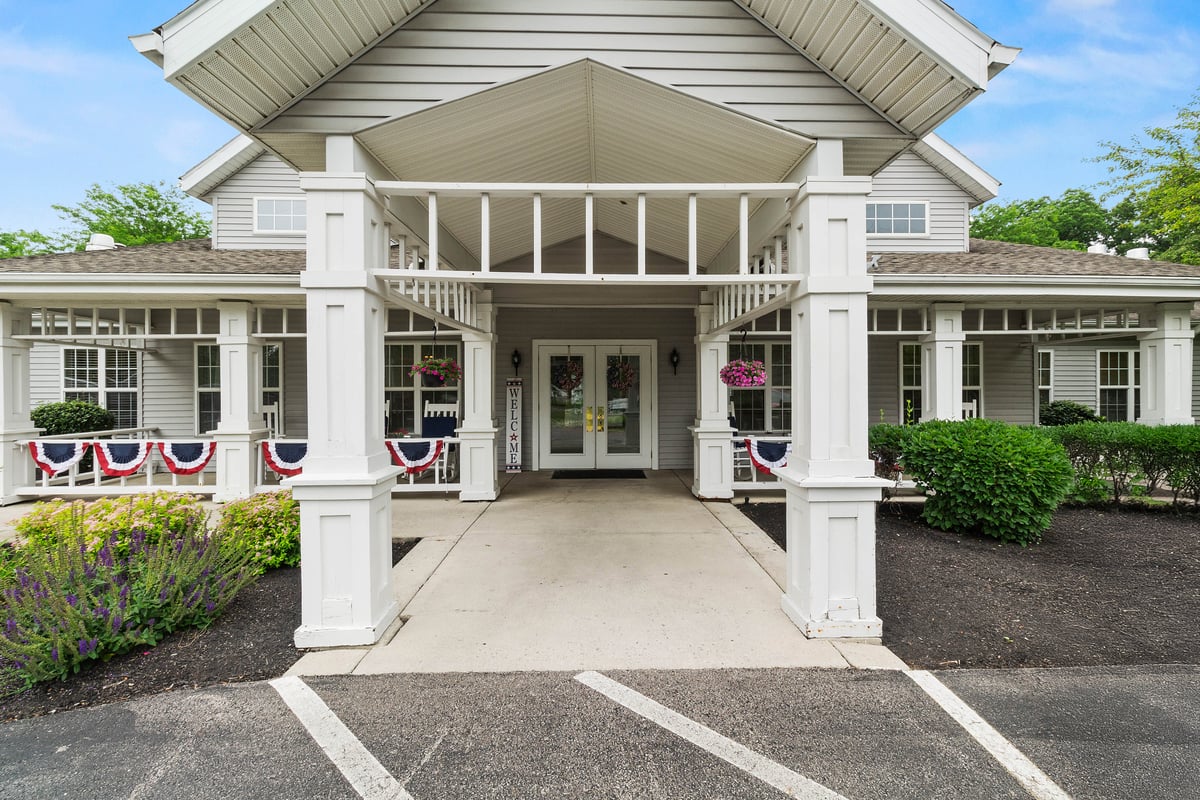
At DeWolfe Place Assisted Living, we're proud to provide Marion's seniors with a robust and exciting life. Our landscaped courtyard provides a natural setting so seniors can work on raised flower beds and enjoy frequent cookouts. Contact us today to see how we can help you improve your golden years.