.jpg?width=960&length=960&name=Close-up-portrait-of-thoughtfu%20(2).jpg)
Have you noticed a loved one acting differently? Maybe forgetting things or seeming unusually down? In 2023, over 6 million seniors in the U.S. struggle with depression, according to WebMD, and many others face dementia.
Understanding dementia vs depression is key to supporting senior mental health and finding the right care. Both can look similar, but they need different approaches to help your loved one thrive.
At DeWolfe Place in Marion, Ohio, we create personalized care plans to nurture emotional and cognitive well-being, helping residents feel their best. Knowing the difference between these conditions can bring clarity and hope.
Keep reading to learn how to spot the signs and support your loved one's journey!
Dementia vs Depression in Seniors
It's difficult when a loved one doesn't seem like themselves, and determining the difference between dementia and depression can feel overwhelming. Understanding the difference can help you support their senior mental health with the right assisted living support.
What Is Depression in Seniors?
Depression in seniors often doesn't mean crying or looking sad. Instead, it shows up as losing interest in things they used to enjoy, like not wanting to play cards or watch their favorite show.
A 2021 study by Sasaki found that some seniors over 65 have this kind of depression, which can look so much like dementia that it's sometimes called "pseudodementia". They might seem grumpy or worried, and often recognize that they're struggling, which makes them feel upset.
With care, like chatting with someone kind or joining fun group activities, their mood can brighten and
What Is Dementia?
On the other hand, dementia affects how someone thinks and remembers. They might forget what they ate for breakfast or get mixed up trying to make a sandwich.
What makes it complicated, it also brings a not-caring attitude that is often found in depression, called apathy, where they skip hobbies or family time without seeming to mind.
Unlike depression, they often don't notice these changes. Dementia slowly worsens, and while there's no cure, support can make daily life easier and more comfortable.
How Are They Connected?
Both depression and dementia can make someone act apathetic, which confuses families and even doctors. In depression, this "who cares" feeling comes with grumpiness or worry, and they feel bad about it. In dementia, it's tied to forgetting things, and they might not even see a problem.
Depression can be an early warning sign of dementia. About one in three seniors with untreated depression might develop dementia later. But dementia can also make someone feel depressed because struggling with memory is difficult.
Getting it wrong can lead to the wrong help, like medicines that make things worse.
Memory Loss vs Mood Changes: Key Differences
Now that we understand how dementia and depression overlap, let's look at how their signs differ.
Depression in seniors often shows up as mood changes, like losing interest in fun things, such as chatting over coffee or gardening. They might act grumpy or worried, but usually know they're struggling, which makes them feel even worse.
Dementia, on the other hand, brings memory loss, like forgetting what they did this morning or how to set the table. It can also present as apathy, but they often don't notice their memory slips.
Typically, depression affects focus, while dementia hits recent memory hardest. Mixing them up can lead to wrong help, like medicine that makes things worse.
Aging and Wellness: Supporting Mental Health in Senior Living
As we age, our minds and hearts need extra care, and understanding dementia vs depression is part of aging and wellness. Growing older can make it harder to stay sharp or feel happy, especially if memory or mood starts slipping. But a warm, active community can make a big difference for senior mental health.
Joining in on fun activities, like playing bingo or painting pictures, keeps the mind busy and lifts spirits. Going on outings, like visiting Quarry Park to stroll along the water, helps seniors feel connected and alive.
These moments help ease depression's gloom or dementia's confusion by giving purpose and joy.
Emotional Care: Building Connections to Ease Symptoms
Both conditions can make someone pull away, but staying connected helps them shine again. For depression, joining group activities, like singing songs or crafting, can chase away feelings of not caring. For dementia, chatting with friends or sharing stories can spark memories and joy, even if they forget details.
These interactions lift moods and ease confusion, especially when seniors feel heard. Assisted living support brings people together, creating moments that feel special, like laughing over a game or enjoying a sunny walk.
Staff play a big role, too, by listening and encouraging everyone to join in. These connections are powerful and help seniors feel loved and less alone.
How DeWolfe Place Helps Families Navigate These Challenges
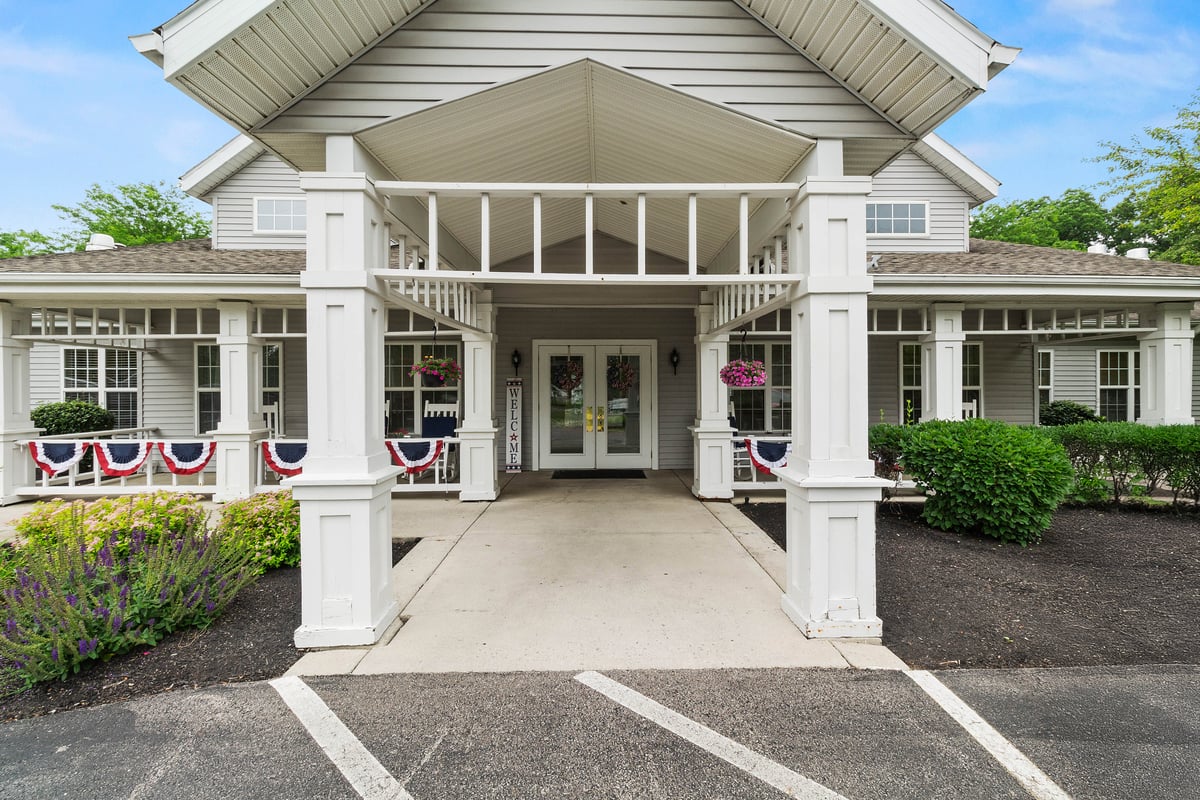
At DeWolfe Place in Marion, Ohio, we know dementia vs depression can be hard to untangle, so we're here to help families find clarity and comfort. Our team is available 24/7 to watch for signs and create care plans that fit each resident's needs, supporting their senior mental health.
We work with local Marion providers, like therapists and family doctors, to ensure the right emotional care and support. Our activities, like bingo, arts and crafts, or movie nights with popcorn, keep minds and hearts active.
Residents love our beautiful courtyard for gardening or cookouts, which lift spirits and spark memories. Outings to the Marion Senior Center or nearby parks bring joy and connection. These moments help ease depression's weight or dementia's fog, making every day special.
We're proud to offer assisted living support that helps residents thrive.
Finding Clarity and Care for Your Loved One
Figuring out dementia vs depression isn't easy, but it's a big step toward helping your loved one live their best life. By spotting the differences, you can find the right care to support their senior mental health.
At DeWolfe Place Assisted Living in Marion, Ohio, we make that happen with personalized care and fun activities, like gardening or movie nights, that bring smiles. Our assisted living support creates a warm, welcoming home where residents thrive.
If you're wondering about the next steps for your loved one, come see us! Schedule a visit to discover how our community can support their journey with care and compassion.