
Summary
Recognizing the signs your parent needs Assisted Living can help families make thoughtful decisions before a serious emergency occurs. Understanding these key indicators allows you to explore options that prioritize safety, connection, and quality of life for your loved one.
- Difficulty managing personal care tasks like bathing, grooming, or maintaining hygiene may signal that daily routines are becoming unsafe or overwhelming
- Household responsibilities piling up—such as laundry, meal prep, expired food, or home maintenance—often indicate your parent needs additional support
- Social withdrawal, declining invitations, and losing interest in longtime hobbies can significantly impact emotional wellness and overall health
- Memory changes affecting medication management, appointments, or familiar routines may require professional oversight and structure
- Mobility challenges, balance concerns, or falls are important safety signals that warrant exploring communities with accessible layouts and 24-hour support
Recognizing when a loved one may need extra help is rarely easy. Often, families begin noticing small changes first. A missed meal here, an unopened stack of mail there, or fewer social outings than usual.
Over time, however, those moments can point to larger concerns. Understanding the signs your parent needs assisted living can help families make thoughtful decisions before a serious emergency happens.
For many older adults, moving into a senior living community is not about giving something up. It is about gaining daily peace of mind, regular connection, and a more manageable routine.
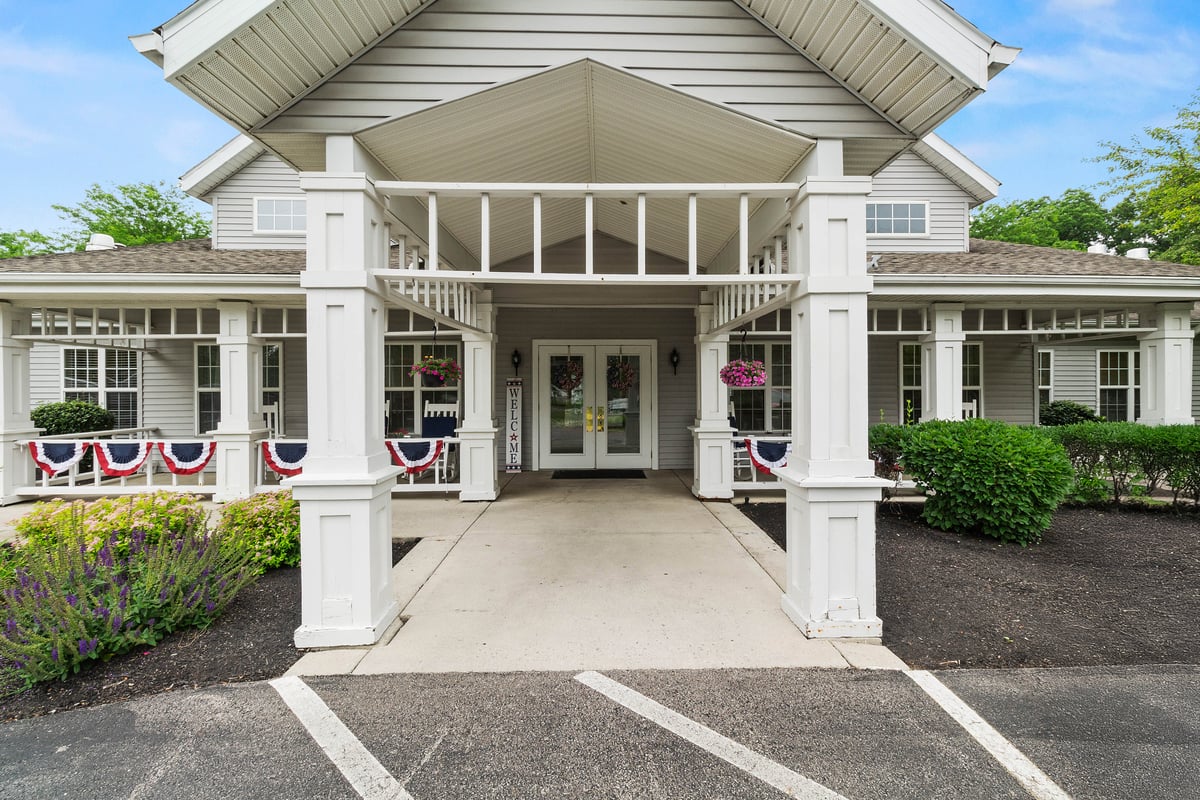
At communities like Dewolfe Place in Marion, Assisted Living residents enjoy a comfortable, neighborly environment with restaurant-style dining, shared celebrations, entertainment, and opportunities to spend time with friends every day. Knowing when a parent needs help often starts with recognizing a few consistent patterns.
1. Difficulty Managing Daily Personal Care
One of the most common assisted living readiness signs is a noticeable change in personal hygiene or grooming habits. Adult children may begin seeing signs that were not there before, including:
- Wearing the same clothing repeatedly
- Difficulty managing bathing or grooming routines
- Looking unusually tired, unkempt, or withdrawn
These changes are not always caused by forgetfulness alone. Arthritis, reduced mobility, balance concerns, or fatigue can all make everyday routines harder. When daily tasks become frustrating or unsafe, many families start asking when does your mom need assisted living or whether your dad may benefit from additional support.
Dewolfe Place provides residents with daily routine assistance, so everyday tasks feel more manageable and less overwhelming. Residents can receive help when needed while still maintaining privacy, personal choice, and familiar routines that help them feel comfortable and confident. The community’s one-story layout also makes moving throughout the day easier and less stressful for many older adults.
2. Household Responsibilities Are Becoming Overwhelming
A once-organized home may slowly become harder to manage. Family members often notice clutter piling up, expired food in the refrigerator, laundry left unfinished, or household repairs going ignored. These changes can signal that your parent can’t live alone anymore safely without additional assistance.
Safety concerns can also appear gradually. Burned cookware, forgotten appliances, or frequent tripping hazards may point to increased risk inside the home. Even basic upkeep can become exhausting for someone living alone.
Assisted Living communities, such as Dewolfe Place, can help remove many of those daily burdens. Housekeeping, laundry, meal preparation, and maintenance are all handled by community team members. This leaves residents with more time to enjoy their day the way they prefer. Many families notice immediate relief once those responsibilities are no longer falling entirely on their loved one.
3. Increased Isolation and Withdrawal
Social isolation is another major indicator that it may be time for assisted living placement. Older adults who once enjoyed church gatherings, lunch outings, hobbies, or neighborhood visits may slowly begin withdrawing from those connections.
You may notice your parent:
- Declining invitations more often
- Spending most days alone at home
- Losing interest in longtime hobbies
- Mentioning loneliness during conversations
Isolation can affect emotional wellness, appetite, sleep quality, and overall health. Many families searching for signs your parent needs assisted living realize the biggest concern is not physical safety alone. It is the emotional impact of spending too much time alone.
Dewolfe Place offers natural opportunities for connection throughout the day, helping residents avoid the isolation that can come with living alone. Residents can share meals with neighbors, attend community events, enjoy happy hours, or take part in local gatherings that help them stay connected to Marion and the surrounding area. Partnerships with local organizations and community involvement also help residents stay engaged with familiar faces, traditions, and local experiences.
4. Memory Changes That Affect Daily Life
Forgetting an occasional appointment is normal. Repeated confusion around medications, missed bills, or missed medical visits may signal a larger concern. Families often begin recognizing memory-related assisted living readiness signs when daily routines become harder to manage consistently. Some warning signs may include:
- Missing important appointments
- Taking incorrect doses or forgetting medications entirely
- Difficulty following familiar routines
- Increased confusion during conversations
When memory concerns begin affecting health or safety, families may feel uncertain about the next step. Knowing when a parent needs help often comes down to whether they can continue managing daily responsibilities safely on their own.
Assisted living communities provide routine structure, wellness checks, and additional oversight that can ease stress for both residents and family members. Having someone available around the clock also brings reassurance if concerns arise unexpectedly during the day or night.
5. Mobility Changes and Falls
When families begin wondering whether it is time for assisted living placement, mobility changes are frequently part of the conversation. Older adults living alone may try to hide falls or avoid discussing balance concerns because they fear losing control over their daily lives. Trouble climbing stairs, holding onto furniture while walking, or hesitating during normal movement may also indicate growing mobility challenges.
Communities like Dewolfe Place are built with safety and comfort in mind. Features such as accessible layouts, emergency response systems, and team members available 24 hours a day can help residents feel more confident moving through their routines.
Recognizing the signs your parent needs assisted living allows families to make proactive choices that prioritize safety, connection, and quality of life. For many older adults, the right community can provide comfort, companionship, and a renewed sense of routine without the stress of managing everything alone.
Learn more about daily life at Dewolfe Place by exploring our Assisted Living living options or discovering how our dining and social programs help residents stay connected in Marion. Schedule a tour today to see how we can help your loved one feel comfortable, connected, and supported each day.